Customization

Custom components.
Engineered to your drawing.
Engineered to your needs.

Define the shaft, mounting, electrical response and connections around your assembly. Start with a standard series or a custom component brief.Match the material, mechanical fit and electrical response to your design.

COOKA / PRECISION IN MOTION
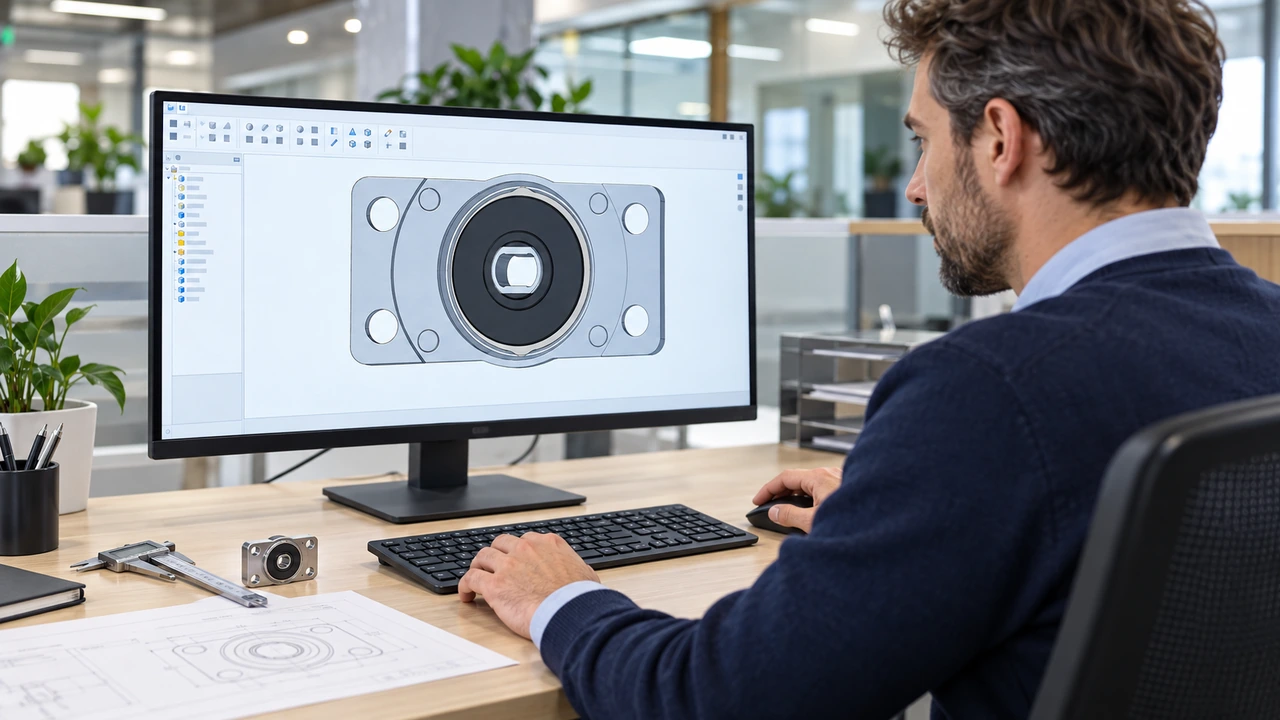
Engineer reviewing a component design at a CAD workstation
CORE MATERIAL TECHNOLOGY

Five material platforms.
Match the operating demand.
Five material platforms.

From consumer equipment to extreme environments: compare life, power, temperature and contact performance.

Cooka core material technology comparison
PlatformLifePowerTCRTemperaturePerformanceApplications
Consumer>1 million cycles1 W1,000 ppm−45 to 125°CA material platform for premium consumer products and everyday equipment.Premium consumer products, entertainment equipment and industrial devices.
Industrial>3 million cycles2 W500 ppm−55 to 155°CHigh wear resistance and interference resistance for demanding duty cycles.Industrial equipment, heavy machinery, agricultural machinery and automotive electronics.
Automotive>5 million cycles5 W200 ppm−65 to 165°CHigh contact performance and wear resistance, with stable precision, reduced signal fluctuation and resistance to interference across temperature extremes.Automotive systems, motorcycles, robot joints and medical devices.
Military>10 million cyclesUp to 3 W300 ppm−65 to 165°CStable output, reliable mechanical performance, high wear resistance and interference resistance. Maintains low-noise contact performance under severe operating conditions.Aerospace, guided weapons, large aircraft, large UAVs, marine systems and injection-moulding machines.
Space>10 million cyclesUp to 5 WNot specified−270 to 210°CMaterials and complete potentiometers and sensors for an ultra-wide operating range, with high wear resistance, reliable mechanical performance, interference resistance, radiation resistance and ozone resistance. Supports long-term operation at up to 210°C.Aerospace, crewed spacecraft and special-purpose applications.
01

Consumer

>1 million cycles
Power
1 W
TCR
1,000 ppm
Temperature
−45 to 125°C
Performance & applications

A material platform for premium consumer products and everyday equipment.

Applications: Premium consumer products, entertainment equipment and industrial devices.

02

Industrial

>3 million cycles
Power
2 W
TCR
500 ppm
Temperature
−55 to 155°C
Performance & applications

High wear resistance and interference resistance for demanding duty cycles.

Applications: Industrial equipment, heavy machinery, agricultural machinery and automotive electronics.

03

Automotive

>5 million cycles
Power
5 W
TCR
200 ppm
Temperature
−65 to 165°C
Performance & applications

High contact performance and wear resistance, with stable precision, reduced signal fluctuation and resistance to interference across temperature extremes.

Applications: Automotive systems, motorcycles, robot joints and medical devices.

04

Military

>10 million cycles
Power
Up to 3 W
TCR
300 ppm
Temperature
−65 to 165°C
Performance & applications

Stable output, reliable mechanical performance, high wear resistance and interference resistance. Maintains low-noise contact performance under severe operating conditions.

Applications: Aerospace, guided weapons, large aircraft, large UAVs, marine systems and injection-moulding machines.

05

Space

>10 million cycles
Power
Up to 5 W
TCR
Not specified
Temperature
−270 to 210°C
Performance & applications

Materials and complete potentiometers and sensors for an ultra-wide operating range, with high wear resistance, reliable mechanical performance, interference resistance, radiation resistance and ozone resistance. Supports long-term operation at up to 210°C.

Applications: Aerospace, crewed spacecraft and special-purpose applications.

These values describe Cooka’s material and component platform capabilities. Final component ratings depend on the selected design and agreed evaluation conditions. Platform names do not imply certification to a particular standard.

Discuss your material requirements
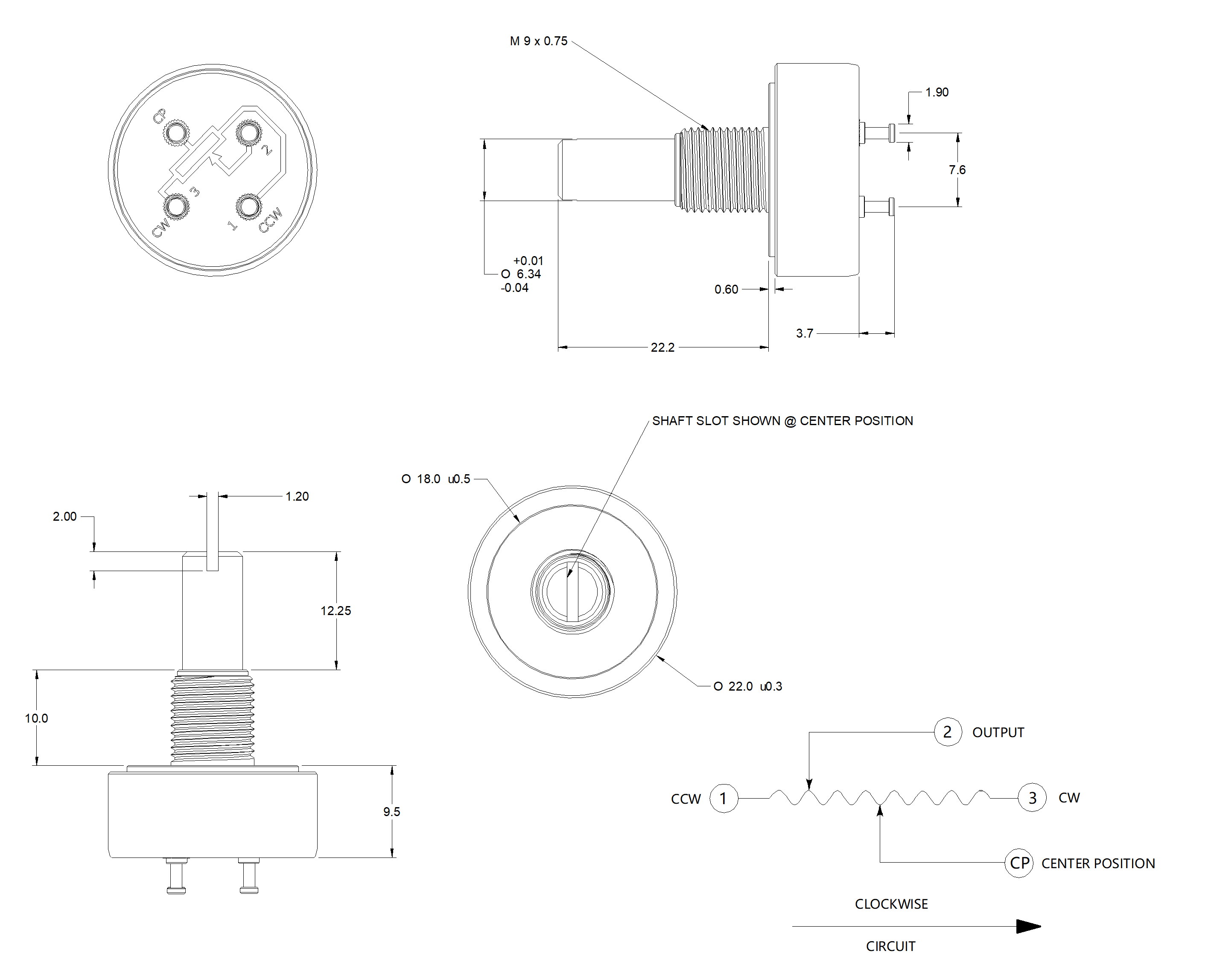
SRS22 construction drawing
Construction and terminal arrangement vary by series option.
What can be reviewed

Mechanical fit.
Electrical response.

  • Shaft, lever, bore and mounting geometry.
  • Mechanical travel and useful electrical angle.
  • Resistance, taper, tolerance and connections.
  • Application environment and sample evaluation.
Discuss Your Drawing
TECHNICAL STRENGTH

Materials to mechanics.
One engineering capability.

Standard options adapt an established series. New developments start with your drawing, target response and evaluation requirements.

Technicians working in the carbon-film materials laboratory
01

Carbon-film materials

Formulation and element processing shape the resistive response required by the component.

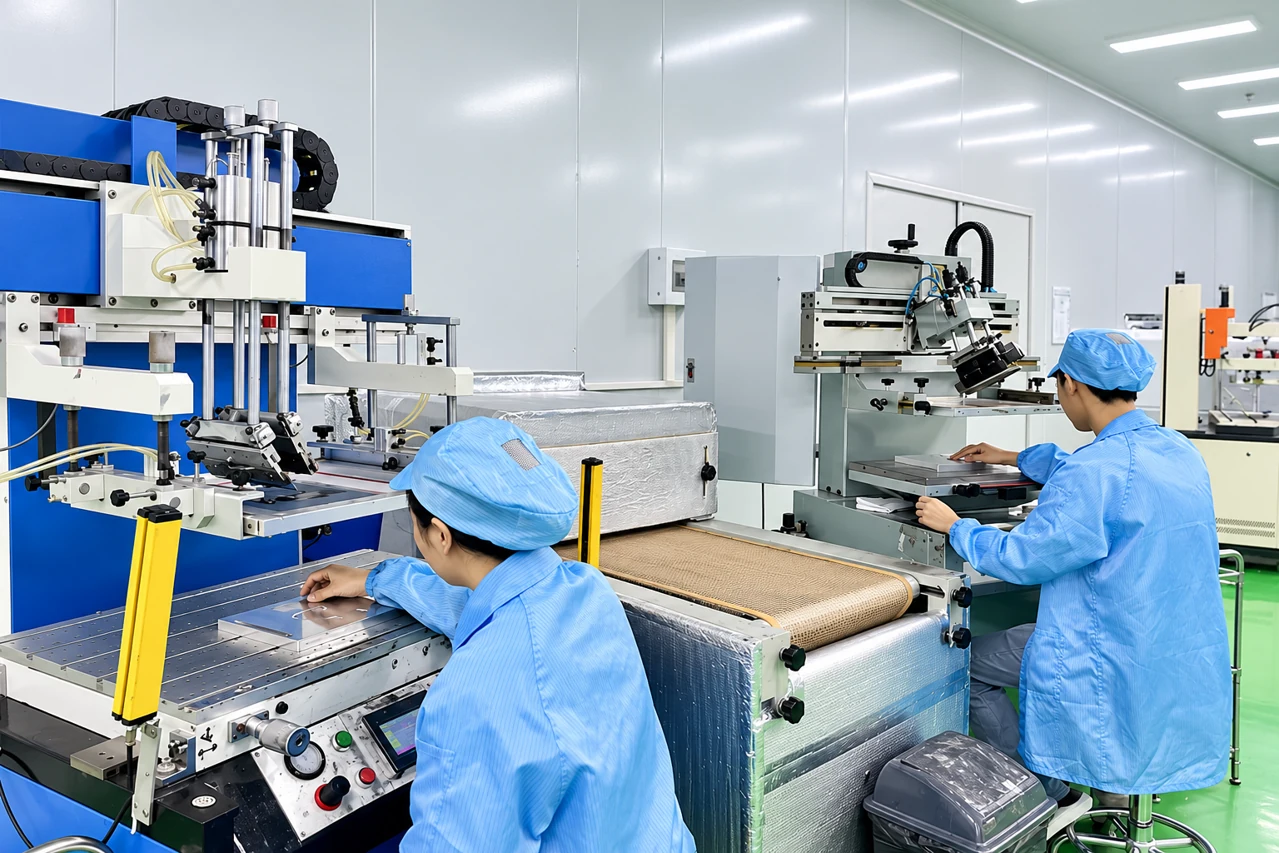
Technicians operating carbon-film printing equipment in the clean production workshop
02

Carbon-film printing

Carbon-film printing forms the resistive track required by the component design.

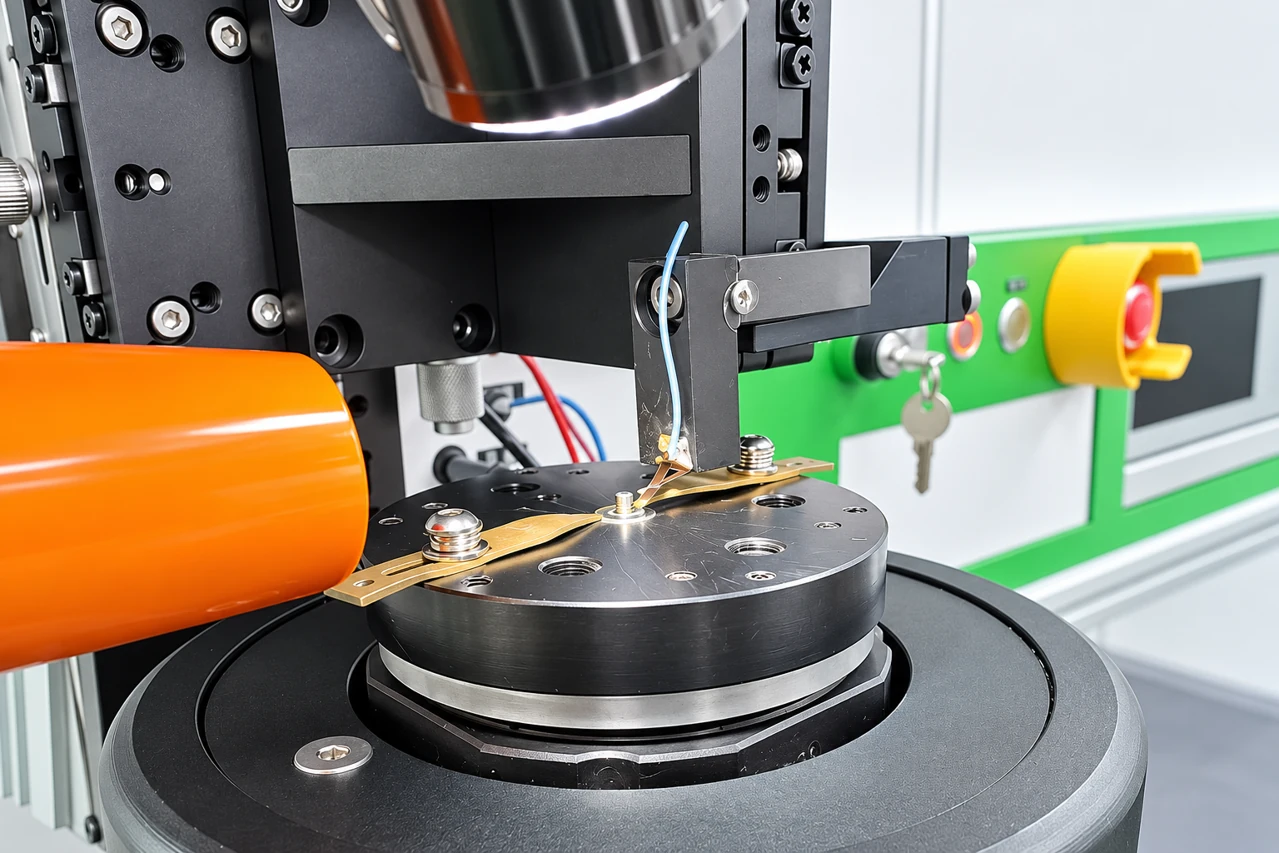
Rotary fixture and probe for resistance and linearity measurement
03

Resistance & linearity measurement

The measurement fixture checks resistance and linearity against the component’s position.

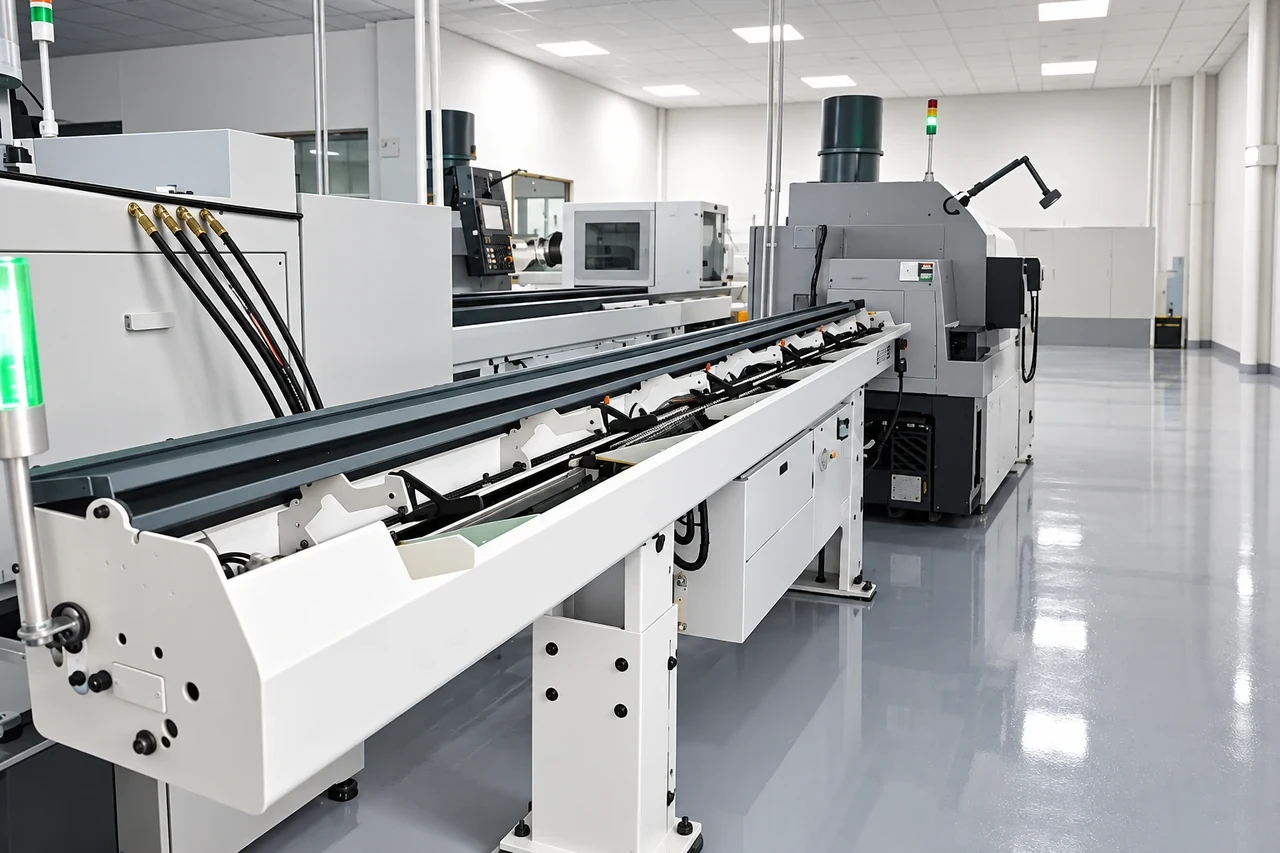
Precision machining equipment for shafts and mechanical parts
04

Mechanical machining

Shafts, housings and mounting features follow the reviewed component drawing.

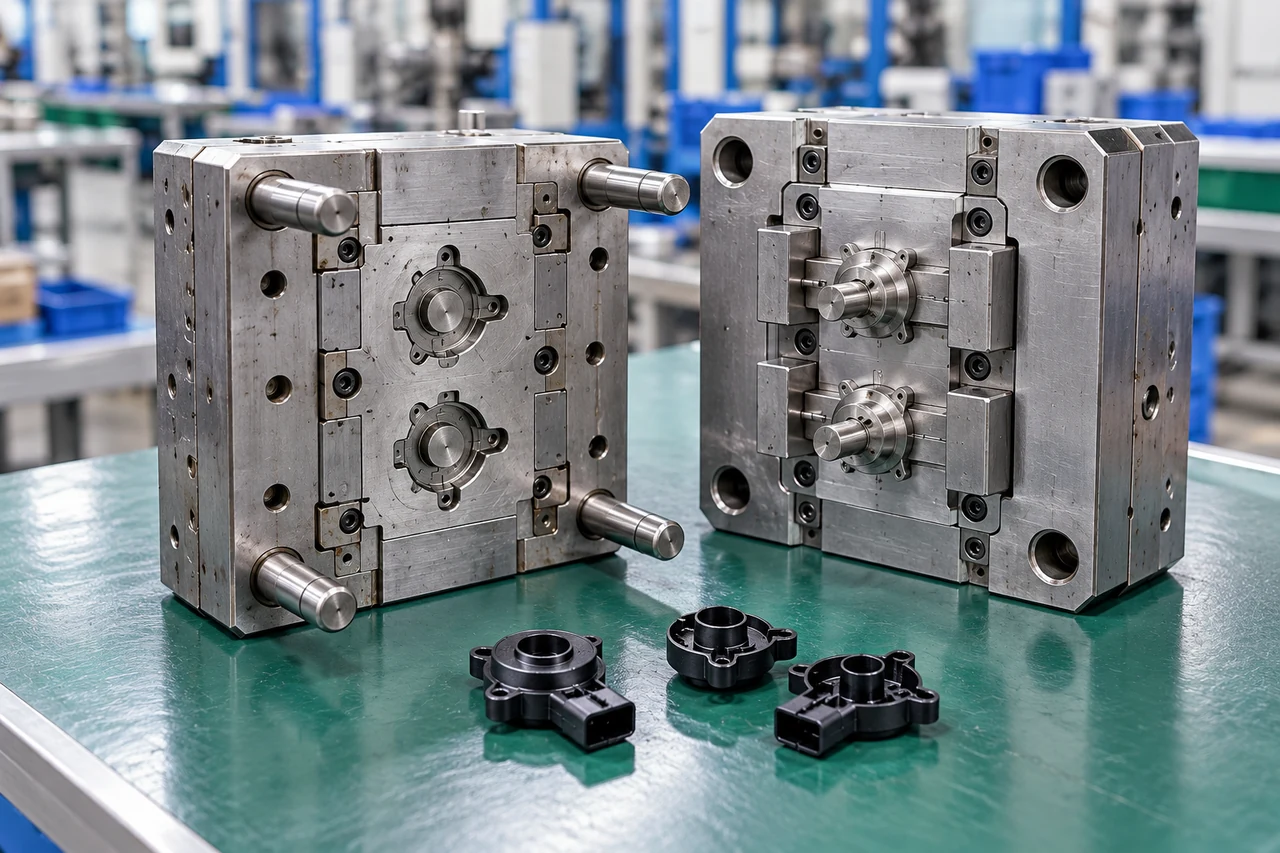
Opened precision mould tool with core inserts and small moulded sensor housings
05

Mould design & tooling

Mould cavities, core inserts and assembly interfaces are developed around the component geometry.

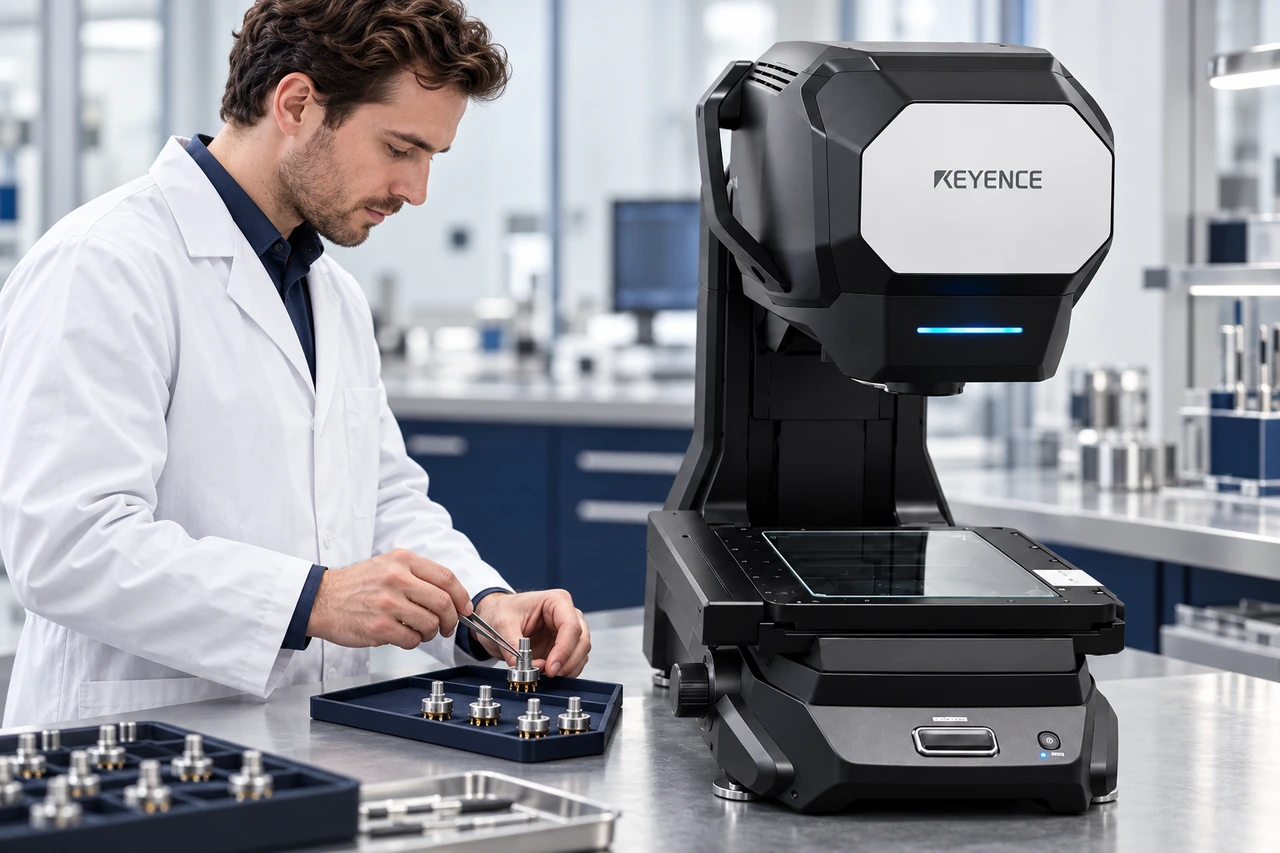
An engineer measuring component dimensions
06

Precision measurement

Dimensional inspection connects critical features to the controlled drawing.

Bring the critical dimensions, connections and target response into the same review.

Discuss Your Drawing
Documented configuration examples

Start with an available series.

SeriesMechanical optionsElectrical review
CRS16 / RVR22Shaft shape, length, bushing and mechanical angle.Resistance, electrical angle and precision/life options.
SRS22Construction, mounting and terminal arrangement.Resistance, angle code and linearity options.
MSV02 / MSV05Travel, lever format and connector by series.Resistance and precision; motor integration reviewed separately.
SVR01Travel, lever and single/duplex construction.Taper, resistance and operating-feel options.

Options must be checked as a compatible set for the quoted configuration and drawing.

From requirements to order

A clear review process.

  1. Requirements inputApplication, drawing or model, target movement, interfaces and expected quantity.
  2. Configuration and drawing reviewFit, response, compatible options and the controlled drawing or configuration.
  3. Sample evaluationThe sample configuration and evaluation conditions for your assembly.
  4. Production confirmationThe approved configuration, document revision and production requirements.

Prepare: application, critical dimensions, interfaces, target response, available drawing and expected quantity. Review focus: configuration notes, drawing reference, sample evaluation basis and production confirmation.

Have an existing part or assembly drawing?

Attach it in your email or WhatsApp conversation with Cooka.

Discuss Your Project
Get Pricing